
Trips

In this English lesson, students explore vocabulary related to travel and destinations while learning to recognize and use different verb tenses. Through engaging activities such as picture-based discussions, listening exercises, and a running dictation game, students connect language learning with real-world contexts. They compare how time and verb forms are expressed in English and in their L1, enhancing their grammatical awareness and multilingual competence. The lesson fosters collaboration, active participation, and curiosity about different places and cultures.
Sharing Memories: A Picnic and a Beach Day

In this English lesson, students strengthen their listening comprehension, grammar awareness, and collaborative skills through two engaging stories about different outdoor activities. Using the dictogloss technique, learners listen to short narratives describing family outings and recreational experiences, take notes with the help of visual aids, and reconstruct the texts from memory. The lesson focuses on possessive determiners and possessive pronouns, helping students notice and apply forms such as my, your, his, her, our, theirs, mine, and ours in meaningful contexts. Through group or pair work, learners practice accuracy, recall, and teamwork while developing strategies for active listening and language retention. By comparing their reconstructed versions with the original texts, students enhance self-correction skills, expand vocabulary related to personal belongings and shared items, and gain confidence in using English to describe ownership and relationships in everyday situations.
A Day at Work: Mary’s Café and Ms. Smith’s Classroom
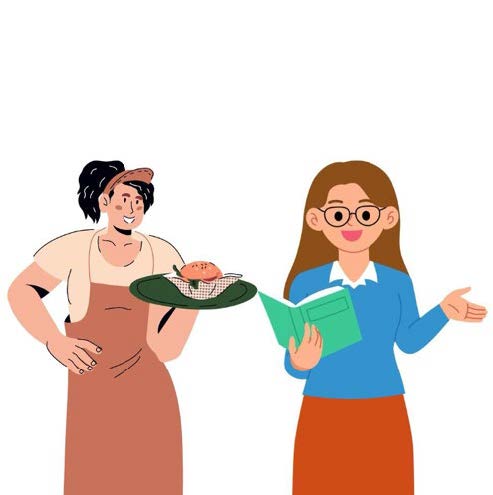
In this English lesson, students strengthen their listening comprehension, grammar awareness, and collaborative skills through two engaging stories about different professions. Using the dictogloss technique, learners listen to short narratives describing daily work routines, take notes with the help of visual aids, and reconstruct the texts from memory. This activity focuses on subject–verb agreement, helping students notice and apply correct verb forms in context. Through group or pair work, they practice accuracy, recall, and teamwork while developing strategies for active listening and language retention. By comparing their reconstructed versions with the original texts, learners enhance their self-correction skills, expand vocabulary related to jobs and workplaces, and build confidence in using English to describe people’s occupations and everyday professional activities.
Books and Browsing: A look inside the Library and Bookstore

In this English lesson, students develop listening comprehension, grammar awareness, and collaborative skills through two stories about a library and a bookstore. Using the dictogloss technique, they listen to short narratives, take notes with visual aids, and reconstruct the texts. The lesson focuses on passive sentences and non-active voice, helping students notice and use constructions like is borrowed, is given, and are arranged. Through pair or group work, learners practice accuracy, recall, and teamwork while gaining confidence in describing events where the subject receives the action.
Everyday Routines
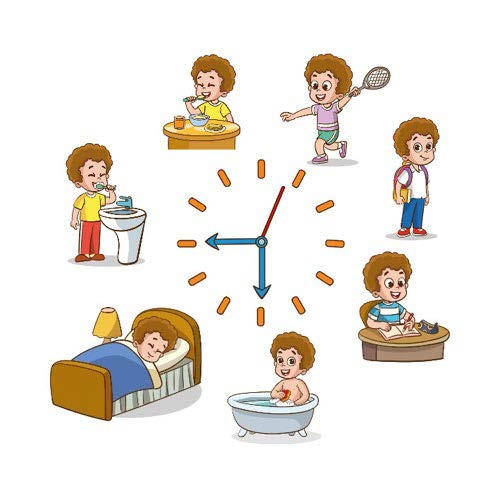
In this English lesson, students strengthen their listening comprehension, grammar awareness, and collaborative skills through two engaging texts about daily routines. Using the running dictation technique, learners listen to short narratives, note key information, and reconstruct the texts from memory. This activity focuses on reflexive pronouns, helping students notice and apply correct pronoun forms in context, including singular, plural, and agreement with the subject. Through group or pair work, learners practice accuracy, recall, and teamwork while developing strategies for active listening and language retention. By comparing their reconstructed versions with the original texts, students enhance self-correction skills, expand vocabulary related to routines and daily life, and build confidence in using English to describe actions performed independently.
The Power of Expression: How Music and Dance Connect Us
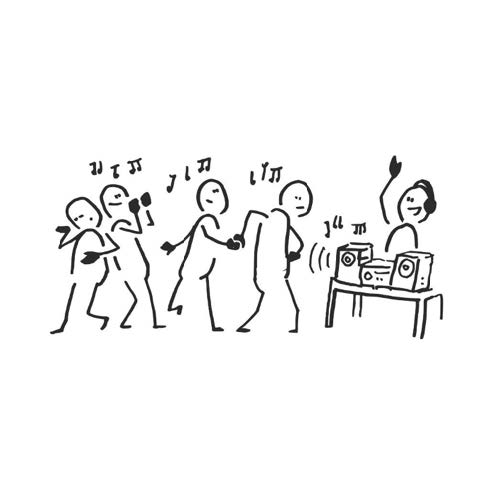
In this English lesson, students develop listening comprehension, grammar awareness, and collaborative skills through two engaging stories about music and dance. Using the dictogloss technique, learners listen to short narratives, take notes with the support of visual aids, and reconstruct the texts from memory. The lesson focuses on complementary clauses and indirect question clauses, helping students notice and use constructions such as wonder what…, ask how…, and explain why… in meaningful contexts. Through pair or group work, learners practice accuracy, recall, and teamwork while gaining confidence in describing events, thoughts, and inquiries in English.
Days of Laughs: From Mall Adventures to Birthday Parties

In this English lesson, students enhance their listening comprehension, grammatical awareness, and collaborative skills through two engaging stories about fun activities. Using the dictogloss technique, learners actively listen to short narratives about leisure and social experiences, take notes with the support of visual aids, and reconstruct the stories from memory. The lesson focuses on the past perfective and imperfective aspect in main clauses, helping students understand how these forms express sequence, duration, and background actions in the past. Through group or pair work, learners practice accuracy, recall, and teamwork while developing strategies for active listening and language retention. By comparing their reconstructed versions with the original texts, students strengthen their self-monitoring and editing skills, deepen their understanding of narrative structure, and build confidence in using English to describe past experiences and events in a coherent and meaningful way.
 English (UK)
  Ελληνικά
  Polski
  Deutsch
  Français