Everyday Routines
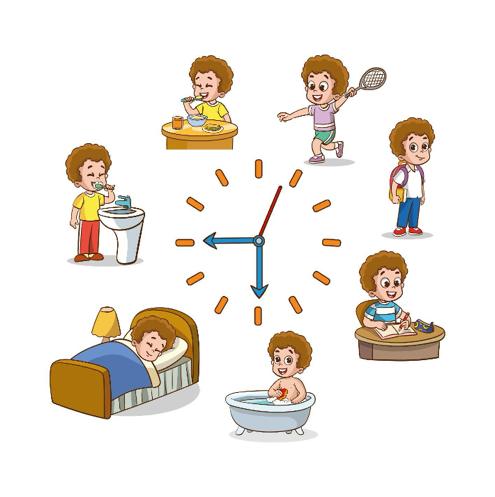
In this English lesson, students develop listening comprehension, note-taking, and text reconstruction skills through two engaging stories about daily routines. Using the dictogloss method, learners actively listen to short narratives, take structured notes with visual support, and collaboratively reconstruct the texts. Through this process, they focus on accuracy, grammar, and the use of reflexive pronouns in meaningful contexts. The combination of auditory, visual, and written activities fosters active engagement and teamwork while promoting language awareness and retention. By comparing their reconstructed versions with the original texts, students enhance self-correction skills, deepen understanding of sentence structure, and build confidence in both spoken and written English.
What We Do (by) Ourselves

In this English lesson, students develop grammar awareness, comprehension, and collaborative skills through structured activities focused on reflexive pronouns. Following the Processing Instruction approach, learners are guided to notice the grammatical forms and their agreement with the subject, activating strategies that help convert input into intake. Through referential and affective activities, students read, match, perform, and discuss sentences, reinforcing accurate use of reflexive pronouns in meaningful contexts. Pair and group work promote active engagement, self-monitoring, and confidence in expressing actions performed by or for oneself.
Everyday Routines
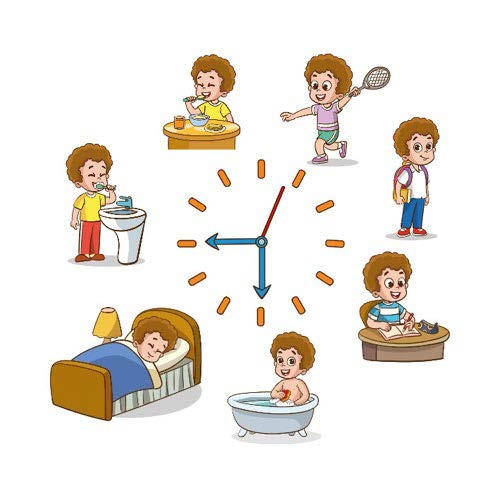
In this English lesson, students strengthen their listening comprehension, grammar awareness, and collaborative skills through two engaging texts about daily routines. Using the running dictation technique, learners listen to short narratives, note key information, and reconstruct the texts from memory. This activity focuses on reflexive pronouns, helping students notice and apply correct pronoun forms in context, including singular, plural, and agreement with the subject. Through group or pair work, learners practice accuracy, recall, and teamwork while developing strategies for active listening and language retention. By comparing their reconstructed versions with the original texts, students enhance self-correction skills, expand vocabulary related to routines and daily life, and build confidence in using English to describe actions performed independently.
 English (UK)
  Ελληνικά
  Polski
  Deutsch
  Français