
Exploring Clothing
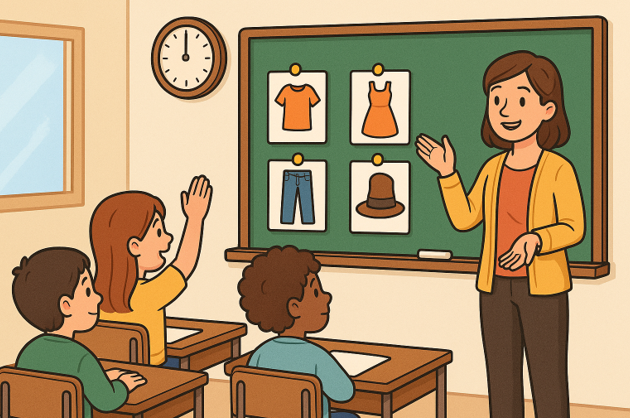
In this lesson, learners explore clothing vocabulary using a multilingual approach. Key terms are introduced in the target language and learners are encouraged to share equivalents from their home languages and any other languages they know. Through several inclusive and enjoyable activities, learners develop receptive and expressive vocabulary on clothing, while noticing similarities and differences across languages.
Daily Routines
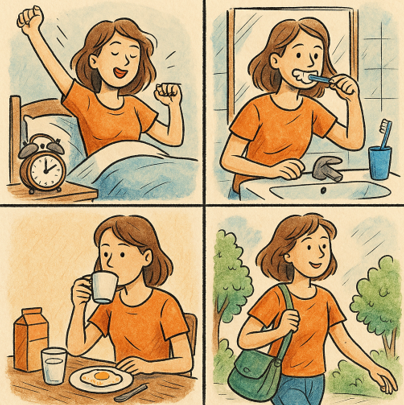
In this lesson, learners are introduced to common daily routine expressions using visual flashcards. The teacher shows flashcards depicting various actions and models pronunciation. Learners engage in several enjoyable activities such as matching activities, pairing images with words or short phrases, which help them enhance their vocabulary and communicative skills.
Renaissance Revealed

In this lesson, learners are introduced to common daily routine expressions using visual flashcards. The teacher shows flashcards depicting various actions and models pronunciation. Learners engage in several enjoyable activities such as matching activities, pairing images with words or short phrases, which help them enhance their vocabulary and communicative skills.
Around the Streets

In this English lesson, students explore vocabulary related to street elements and everyday surroundings through visual, written, and interactive activities. Using flashcards, discussions, and an adapted version of the Frayer Model, students learn to define, illustrate, and use new words in context while connecting English vocabulary with their L1. They practice language through speaking, writing, and peer-sharing tasks, strengthening both comprehension and communication skills. The lesson promotes observation, collaboration, and active participation, while fostering awareness of their environment and confidence in using English for real-life situations.
Body Parts
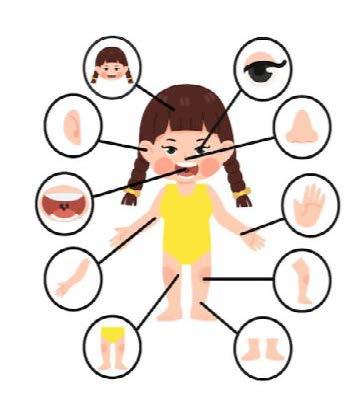
In this English lesson for beginner learners, students explore basic vocabulary related to parts of the human body. New words are introduced through visual aids and interactive pair activities, encouraging students to connect English vocabulary with their mother tongue. Through games, speaking tasks, and drawing exercises, students practice pronunciation, spelling, and sentence formation while strengthening their ability to communicate in both languages. The lesson promotes collaboration, creativity, and confidence in using English for everyday topics.
Fruits
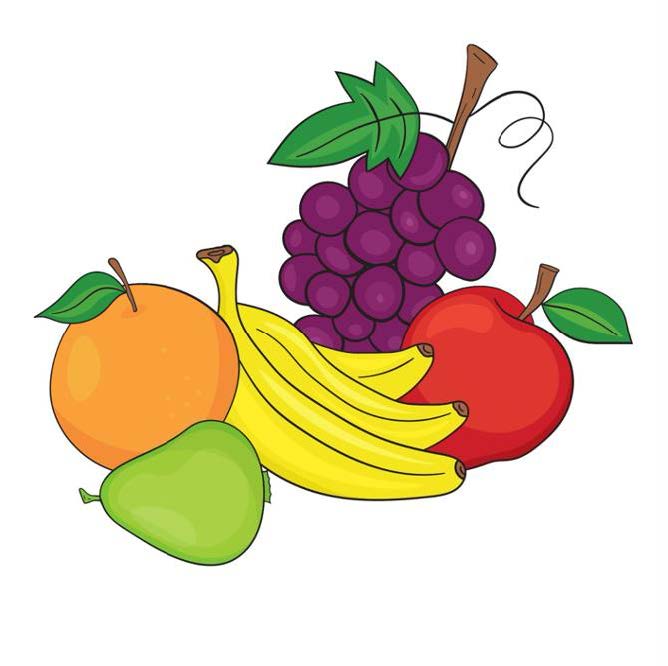
In this English lesson, students explore vocabulary related to fruits through creative and interactive activities. Using flashcards, matching games, and a hands-on “My Fruit Salad” task, students learn to recognize, pronounce, and spell new words while connecting English vocabulary with their L1. They practice language through visual aids and peer interaction, strengthening both comprehension and speaking skills. The lesson promotes collaboration, creativity, and active participation, while fostering curiosity about healthy eating and confidence in using English for everyday communication.
Wild Animals
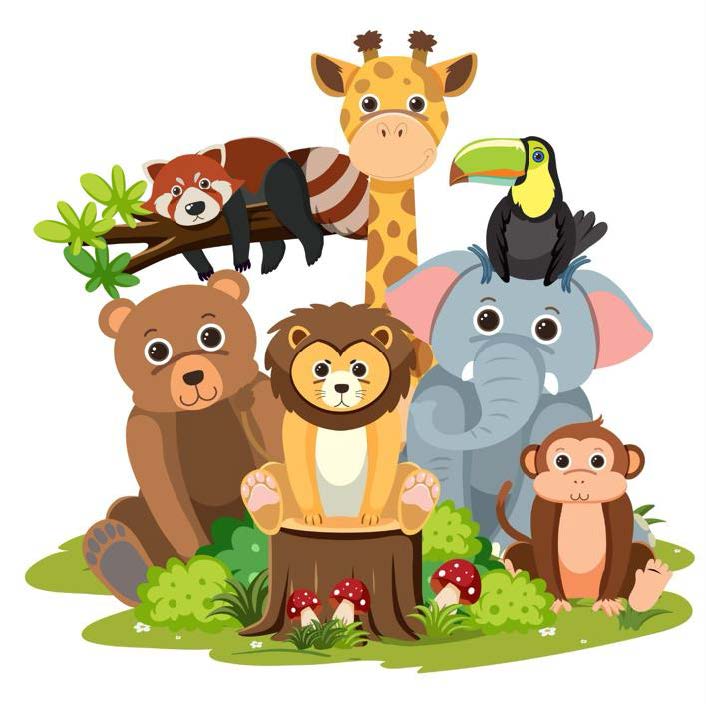
In this English lesson, students explore vocabulary related to wild animals through engaging visual and interactive activities. Using flashcards, guessing games, and Bingo, students practice pronunciation, recognition, and spelling of new words. They connect English vocabulary with their L1, enhancing multilingual awareness and understanding. The lesson encourages collaboration, active participation, and curiosity about animals, while fostering confidence in using English for everyday topics.
Why Can’t You Fall Asleep?

In this English lesson, students develop vocabulary inference skills through the use of contextual cues. Using authentic and adapted texts, learners explore how to guess the meanings of unfamiliar words by identifying definitions, examples, synonyms, and antonyms in context. Through teacher modeling, guided pair work, and independent practice, students apply a four-step strategy to interpret new vocabulary. The lesson promotes metacognitive awareness, reading comprehension, and autonomy in language learning. It fosters collaboration, critical thinking, and confidence in understanding texts without relying solely on dictionaries.
Music

In this English lesson, students develop vocabulary related to music through the use of flashcards and interactive group activities. The lesson focuses on recognizing and naming musical instruments, as well as using related verbs and expressions in context. By combining visual input with auditory modeling and repetition, learners strengthen word recognition, pronunciation, and memory retention. Through guided guessing, pair and group work, and a team-based flashcard game, students actively engage with the target language in a fun and communicative way. The lesson promotes visual learning, collaboration, and intercultural awareness by encouraging students to share musical terms from their own languages. It fosters motivation, confidence, and autonomous vocabulary learning through meaningful and playful interaction.
Musical Instruments

In this English lesson, students explore vocabulary related to musical instruments through engaging auditory and interactive activities. Using sound clips, flashcards, pantomime, and memory games, students learn to recognize, pronounce, and recall new words while connecting English vocabulary with their L1. They practice language through listening, speaking, and cooperative tasks, strengthening both comprehension and communication skills. The lesson fosters creativity, teamwork, and active participation, while encouraging curiosity about music and confidence in using English in real-life contexts.
Professions

In this English lesson, students explore vocabulary related to professions through visual, written, and collaborative activities. Using flashcards, group discussions, and the Frayer Model, students learn to define, describe, and categorize different professions while connecting English vocabulary with their L1. They practice language through speaking, writing, and presentation tasks, strengthening comprehension and communication skills. The lesson promotes critical thinking, teamwork, and active participation, while encouraging students to reflect on future aspirations and develop confidence in using English to describe real-world concepts.
Stories and Fables

In this English lesson, students develop vocabulary inference skills through the use of contextual cues. Using authentic and adapted texts, learners explore how to guess the meanings of unfamiliar words by identifying definitions, examples, synonyms, and antonyms in context. Through teacher modeling, guided pair work, and independent practice, students apply a four-step strategy to interpret new vocabulary. The lesson promotes metacognitive awareness, reading comprehension, and autonomy in language learning. It fosters collaboration, critical thinking, and confidence in understanding texts without relying solely on dictionaries.
Professions
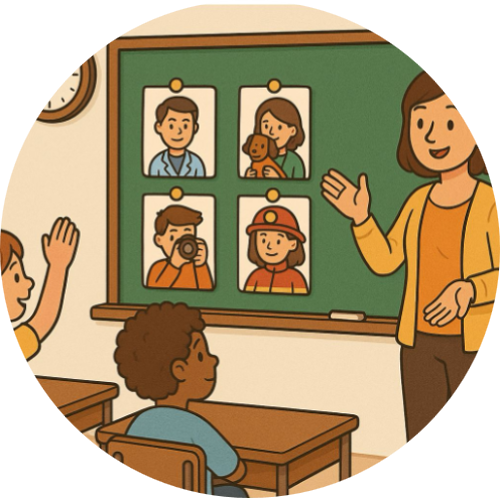
In this lesson, learners are introduced to vocabulary about professions using visual flashcards. The teacher shows flashcards depicting various actions and models pronunciation. Learners engage in several enjoyable activities such as matching activities, pairing images with words or short phrases, which help them enhance their vocabulary and communicative skills.
Professions

In this English lesson, students develop vocabulary through the use of pantomime and interactive group activities. Centered on the theme of professions, the lesson encourages learners to recognize, name, and act out different jobs using body language, gestures, and facial expressions. By integrating visual aids, movement, and auditory repetition, students enhance their word recognition, pronunciation, and memory in a dynamic, multisensory environment. Through teacher modeling, guided miming, and cooperative games such as “Simon Says,” learners actively engage with the target language in a playful and communicative context. The lesson fosters kinesthetic learning, creativity, and collaboration while promoting confidence and intercultural awareness. It helps students internalize new vocabulary through meaningful, embodied interaction, making learning both effective and enjoyable.
 English (UK)
  Ελληνικά
  Polski
  Deutsch
  Français