
Who is doing what?
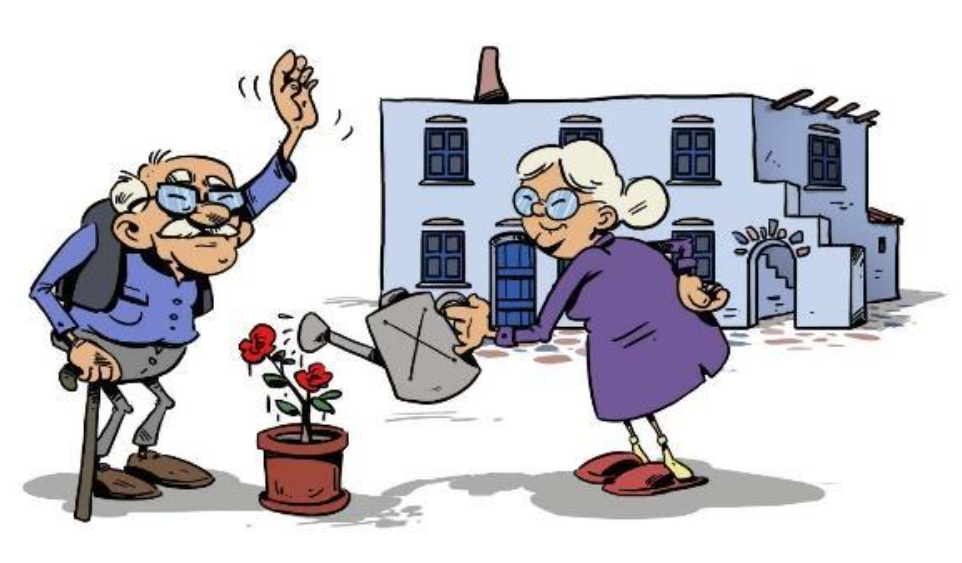
The lesson aims to help learners distinguish and correctly use the active and passive voice through processing instruction. Learners are guided to focus on form and meaning by comprehending the input, rather than producing structures immediately. Activities will direct learners’ attention to how the subject, verb, and object change roles between active and passive sentences, promoting accurate comprehension and use.
Tense it up!

The lesson aims to help learners distinguish and correctly use the Present Continuous, Simple Past, and Simple Future tenses in English through processing instruction. Learners are guided to focus on both form and meaning by first comprehending input rather than producing sentences immediately. Activities are designed to draw learners’ attention to how time references and verb forms indicate ongoing actions, completed events, and future plans. Through structured comprehension tasks, learners develop an accurate understanding of tense usage, which will later support more precise production.
Στον κήπο του παππού
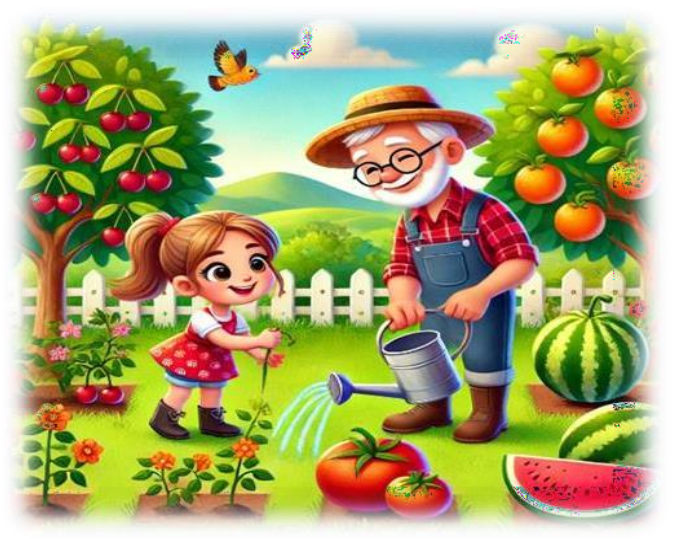
Το μάθημα στοχεύει να βοηθήσει τους μαθητές/τις μαθήτριες να εξοικειωθούν με την παιδαγωγική διαγλωσσικότητα δηλαδή τη συμπερίληψη της πρώτης τους γλώσσας στη μαθησιακή διαδικασία. Έτσι, μέσω της σύγκρισης πρώτης και δεύτερης γλώσσας αναμένεται να βελτιώσουν τη μορφολογική τους επίγνωσης και να αποκτήσουν γλωσσικές και μεταγλωσσικές δεξιότητες.
Η ομορφιά δεν είναι το παν Κάλλος οὐκ ἐστί πᾶν

Το μάθημα στοχεύει να βοηθήσει τους μαθητές/τις μαθήτριες να κατανοήσουν μέσω της Ορθογραφίας επί τροχάδην και πολυγλωσσικών παιδαγωγικών πρακτικών την Α’ Κλίση των Ουσιαστικών της Αρχαίας Ελληνικής Γλώσσας. Μέσω της σύγκρισης αρχαίων και νέων ελληνικών σκοπεύει να τους/τις εξοικειώσει με τη χρήση και τις ομοιότητες των δύο γλωσσών και την παραγωγή και μετάφραση του κειμένου (ή ουσιαστικών) και στις δύο γλώσσες.
Πάμε Σινεμά!
Το μάθημα στοχεύει να βοηθήσει τους μαθητές/τις μαθήτριες να εξοικειωθούν με την παιδαγωγική διαγλωσσικότητα δηλαδή τη συμπερίληψη της πρώτης τους γλώσσας στη μαθησιακή διαδικασία. Έτσι, μέσω της σύγκρισης πρώτης και δεύτερης γλώσσας αναμένεται να βελτιώσουν τη μορφολογική τους επίγνωσης και να αποκτήσουν γλωσσικές και μεταγλωσσικές δεξιότητες.
Η κούκλα ξεσκονίζεται από ένα ξωτικό

Το μάθημα στοχεύει να βοηθήσει τους μαθητές/τις μαθήτριες να διακρίνουν και να χρησιμοποιούν σωστά την ενεργητική και την παθητική φωνή μέσω της Διδασκαλίας με βάση τη Γλωσσική Επεξεργασία. Οι μαθητ(ρι)ές καθοδηγούνται ώστε να εστιάσουν στη μορφή και στο νόημα κατανοώντας το γλωσσικό εισαγόμενο (input), αντί να παράγουν αμέσως τη γλωσσική δομή-στόχο. Οι δραστηριότητες θα κατευθύνουν την προσοχή των μαθητών στο πώς το υποκείμενο, το ρήμα και το αντικείμενο αλλάζουν θεματικούς ρόλους ανάμεσα σε ενεργητικές και παθητικές προτάσεις, προάγοντας την ορθή κατανόηση και χρήση.
Body Parts
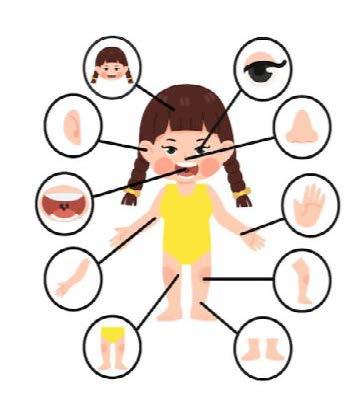
In this English lesson for beginner learners, students explore basic vocabulary related to parts of the human body. New words are introduced through visual aids and interactive pair activities, encouraging students to connect English vocabulary with their mother tongue. Through games, speaking tasks, and drawing exercises, students practice pronunciation, spelling, and sentence formation while strengthening their ability to communicate in both languages. The lesson promotes collaboration, creativity, and confidence in using English for everyday topics.
Books and Browsing: A look inside the Library and Bookstore

In this English lesson, students strengthen their listening comprehension, grammar awareness, and collaborative skills through two engaging texts about books and literature. Using the running dictation technique, learners listen to short narratives, note key information, and reconstruct the texts from memory. This activity focuses on the non-active voice, specifically passive sentence structures, helping students notice and apply correct verb forms to describe actions and processes where the focus is on the object rather than the subject. Through group or pair work, learners practice accuracy, recall, and teamwork while developing strategies for active listening and language retention. By comparing their reconstructed versions with the original texts, students enhance self-correction skills, expand vocabulary related to reading and literary environments, and build confidence in using English to describe events and actions from a passive perspective.
Everyday Routines
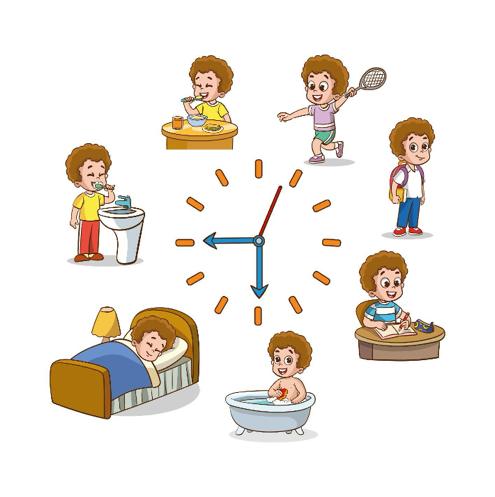
In this English lesson, students develop listening comprehension, note-taking, and text reconstruction skills through two engaging stories about daily routines. Using the dictogloss method, learners actively listen to short narratives, take structured notes with visual support, and collaboratively reconstruct the texts. Through this process, they focus on accuracy, grammar, and the use of reflexive pronouns in meaningful contexts. The combination of auditory, visual, and written activities fosters active engagement and teamwork while promoting language awareness and retention. By comparing their reconstructed versions with the original texts, students enhance self-correction skills, deepen understanding of sentence structure, and build confidence in both spoken and written English.
What We Do (by) Ourselves

In this English lesson, students develop grammar awareness, comprehension, and collaborative skills through structured activities focused on reflexive pronouns. Following the Processing Instruction approach, learners are guided to notice the grammatical forms and their agreement with the subject, activating strategies that help convert input into intake. Through referential and affective activities, students read, match, perform, and discuss sentences, reinforcing accurate use of reflexive pronouns in meaningful contexts. Pair and group work promote active engagement, self-monitoring, and confidence in expressing actions performed by or for oneself.
Books and Browsing: A look inside the Library and Bookstore

In this English lesson, students develop listening comprehension, grammar awareness, and collaborative skills through two stories about a library and a bookstore. Using the dictogloss technique, they listen to short narratives, take notes with visual aids, and reconstruct the texts. The lesson focuses on passive sentences and non-active voice, helping students notice and use constructions like is borrowed, is given, and are arranged. Through pair or group work, learners practice accuracy, recall, and teamwork while gaining confidence in describing events where the subject receives the action.
Everyday Routines
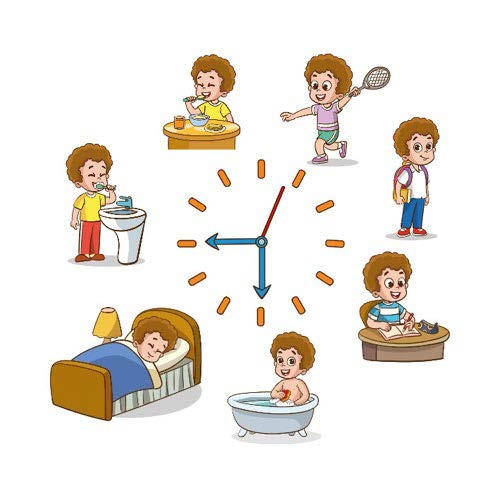
In this English lesson, students strengthen their listening comprehension, grammar awareness, and collaborative skills through two engaging texts about daily routines. Using the running dictation technique, learners listen to short narratives, note key information, and reconstruct the texts from memory. This activity focuses on reflexive pronouns, helping students notice and apply correct pronoun forms in context, including singular, plural, and agreement with the subject. Through group or pair work, learners practice accuracy, recall, and teamwork while developing strategies for active listening and language retention. By comparing their reconstructed versions with the original texts, students enhance self-correction skills, expand vocabulary related to routines and daily life, and build confidence in using English to describe actions performed independently.
Langues dans les activités sportives

Dans cette activité les apprenants découvriront des mots spécifiques pour nommer certaines actions sportives. Ils auront également la possibilité de partager certains de ces mots dans d’autres langues
Zasady państwa demokratycznego

Na tej lekcji, która łączy język z nauką WOS-u dla klasy 5, uczniowie poznają podstawowe słownictwo związane z państwowością, demokracją i ustrojami władzy. Nowe słowa są przedstawiane w języku docelowym, a uczniowie są zachęcani do dzielenia się odpowiednikami w swoim języku ojczystym i innych językach, które znają.
Αναπνευστικό
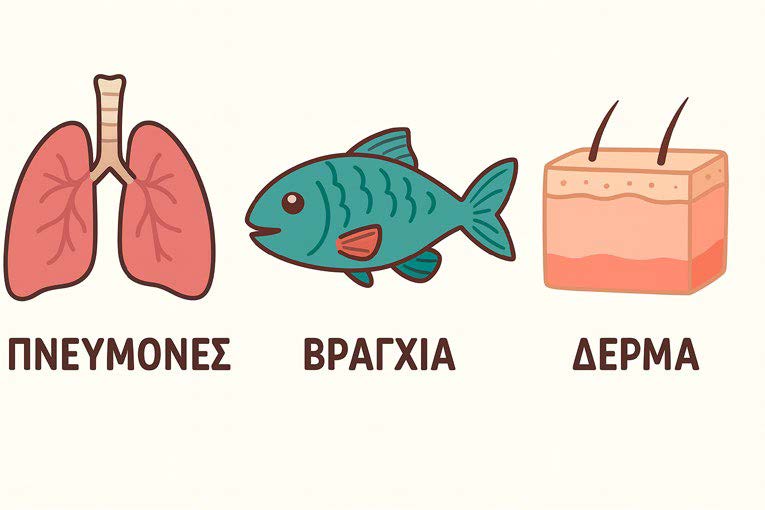
Στην παρούσα ενότητα, που συνδυάζει τη Γλώσσα με τη Φυσική της ΣΤ’ Δημοτικού, οι μαθητές/-ήτριες
κατακτούν βασικό λεξιλόγιο για την αναπνοή και τα όργανα του αναπνευστικού και παράλληλα
εξασκούνται στον πληθυντικό αριθμό. Οι νέες λέξεις παρουσιάζονται στη γλώσσα-στόχο, ενώ οι
μαθητές/-ήτριες ενθαρρύνονται να μοιραστούν αντίστοιχες λέξεις από τη μητρική τους γλώσσα και
άλλες γλώσσες που γνωρίζουν. Με δραστηριότητες δημιουργικές και συμπεριληπτικές, αναπτύσσουν
όλες τις γλωσσικές δεξιότητες, ενώ παράλληλα συζητούν για αξίες όπως ο σεβασμός, η ισότητα και η
σημασία του υγιούς τρόπου ζωής για την καλή λειτουργία του
αναπνευστικού.
Αυλαία και πάμε

Στην παρούσα ενότητα, που συνδυάζει τη Γλώσσα με τη Θεατρική
Αγωγή της Στ΄ Δημοτικού, οι μαθητές/ήτριες γνωρίζουν τα βασικά στοιχεία που συνθέτουν μια
θεατρική παράσταση, όπως τη σκηνογραφία, την ενδυματολογία, τον φωτισμό και τον
ήχο/μουσική. Μέσα από βιωματικές και δημιουργικές δραστηριότητες, μαθαίνουν πώς κάθε
στοιχείο συμβάλλει στη διαμόρφωση της ατμόσφαιρας και του νοήματος στη σκηνή. Παράλληλα,
εξασκούνται στη χρήση ρημάτων σε -ομαι, στα τοπικά επιρρήματα και εμπλουτίζουν το λεξιλόγιό τους με
θεατρικούς όρους, τόσο στα ελληνικά όσο και σε άλλες γλώσσες που γνωρίζουν. Η ενότητα καλλιεργεί τη
συνεργασία, την προφορική έκφραση, τη δημιουργικότητα και τη διαπολιτισμική συνείδηση, συνδέοντας
τη
γλώσσα με την τέχνη και τη θεατρική εμπειρία.
Δικαιώματα του παιδιού

Στην
παρούσα ενότητα, που συνδυάζει τη Γλώσσα με την Κοινωνική
και Πολιτική Αγωγή της Στ’ Δημοτικού, οι μαθητές/ τριες κατακτούν
βασικό λεξιλόγιο για τα δικαιώματα του παιδιού και παράλληλα
εξασκούνται στη χρήση της γενικής πτώσης Οι νέες λέξεις
παρουσιάζονται στη γλώσσα στόχο, ενώ οι μαθητές/ τριες
ενθαρρύνονται να μοιραστούν αντίστοιχες λέξεις από τη μητρική
τους γλώσσα και άλλες γλώσσες που γνωρίζουν Με δραστηριότητες
δημιουργικές και συμπεριληπτικές, αναπτύσσουν όλες τις γλωσσικές
δεξιότητες, ενώ παράλληλα συζητούν για αξίες όπως τα δικαιώματα
του παιδιού, ο σεβασμός και η ισότητα
Ερεθιστηκότητα

Στην παρούσα ενότητα, που συνδυάζει τη Γλώσσα με το μάθημα της
Βιολογίας Α’ Γυμνασίου, οι μαθητές/-τριες κατακτούν την απαραίτητη
γνώση για την έννοια της ερεθιστικότητας στους οργανισμούς, για το
νευρικό σύστημα και τον εγκέφαλο. Παράλληλα, εξασκούνται στην
κατανόηση και χρήση παράγωγων λέξεων, στην αναγνώριση και
δημιουργία αιτιολογικών (σχέση αιτίου-αποτελέσματος), χρονικών και
τελικών δευτερευουσών προτάσεων, τον πληθυντικό αριθμό των
ουσιαστικών και την παθητική φωνή. Ακόμη, οι μαθητές/-τριες
ενθαρρύνονται να μοιραστούν τη γλωσσική εμπειρία τους από τη μητρική
τους γλώσσα και άλλες γλώσσες που γνωρίζουν. Με δραστηριότητες
δημιουργικές και συμπεριληπτικές, κριτικής σκέψης και συνεργατικής
γραφής και μάθησης, αναπτύσσουν όλες τις γλωσσικές δεξιότητες.
 English (UK)
  Ελληνικά
  Polski
  Deutsch
  Français